


Books

The book employs interdisciplinary research and draws on the author's extensive collaboration with the leading Australian Indigenous children's organization for more than ten years to offer a comprehensive analysis of this global problem.

The book is a unique text examining the role of indigenous societies in tourism and how they interact within the tourism nexus. It focuses on the active role that indigenous peoples take in the industry, and uses international case studies and experiences to provide a global context to illustrate best practice and aid comparison.

The book examines criminal sentencing courts’ changing characterisations of Indigenous peoples’ identity, culture and postcolonial status. Focusing largely on Australian Indigenous peoples, but referring also to the Canadian and New Zealand experiences, it critically analyzes how the judiciary have interpreted Indigenous difference.

A Theory for Indigenous Australian Health and Human Service Work: Connecting Indigenous Knowledge and Practice
2014
Author(s): Muller L
The book offers a deep insight into Indigenous Australian ways of working with people, in the context of a decolonisation framework. It is an invaluable resource for both Indigenous and non-Indigenous practitioners and researchers in health, social work, community work, education and related fields.
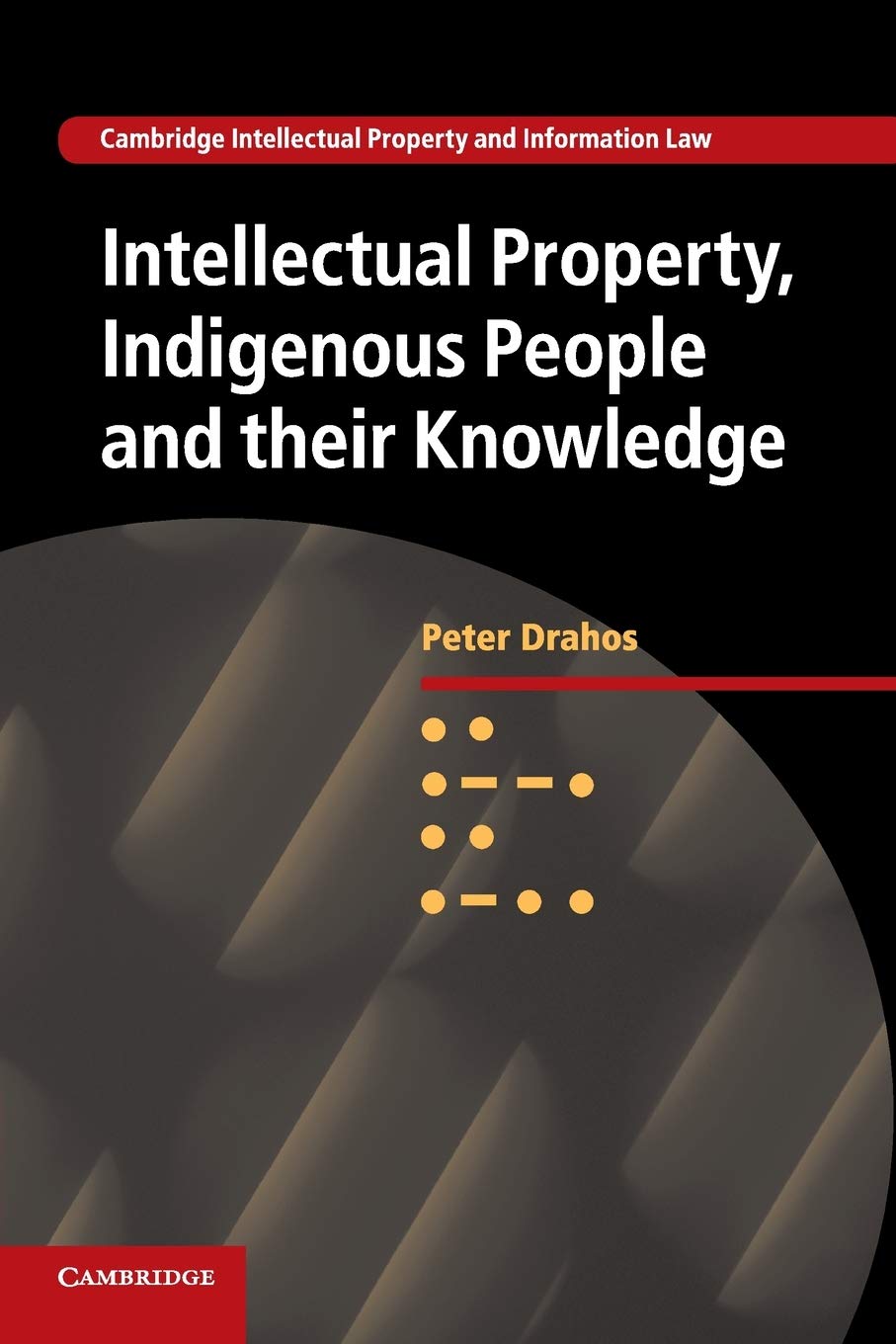
After colonization, indigenous people faced an extractive property rights regime for both their land and knowledge. This book outlines that regime, and how the symbolic function of international intellectual property continues today to assist states to enclose indigenous peoples' knowledge.

Encyclopedia of Agriculture and Food Systems, Second Edition, Five Volume Set addresses important issues by examining topics of global agriculture and food systems that are key to understanding the challenges we face.

Knowing Differently: The Challenge of the Indigenous
2013
Author(s): Devy GN, Davis GV, Chakravarty KK
The book provides a comprehensive account of the worldviews nurtured and sustained by indigenous communities across the world through their distinctive understanding - of space and time, joy and pain, life and death, the epistemological clash with the 'scientific' or 'modern' world, along with consequences for their identity, survival and cultural transformation.

This book explores the relationship between space and economy, the spatial expressions of the knowledge economy. The capitalist industrial economy produced its own space, which differed radically from its predecessor agrarian and mercantile economies.

Education, Indigenous Knowledges, and Development in the Global South: Contesting Knowledges for a Sustainable Future
2013
Author(s): Breidlid A
The book's focus is the hegemonic role of so-called modernist, Western epistemology that spread in the wake of colonialism and the capitalist economic system, and its exclusion and othering of other epistemologies.

The major portion of this book is a collection of descriptions of typical non-Western countries from this viewpoint by native scholars.