


Knowledge Hub

Comprehensive Analysis of the Disaster Risk Reduction System for the Agriculture Sector in the Republic of Moldova
2023
Author(s): Food and Agriculture Organization of the United Nations FAO
This report concludes by providing recommendations for capacity building interventions to strengthen the current system to reduce the adverse impacts of natural hazards, in particular, floods, landslides and droughts, and climate change on agriculture in the Republic of Moldova.

Implementation lessons from World Bank operations in supporting indigenous peoples
2023
Author(s): World Bank
This Evaluation Insight Note builds on Independent Evaluation Group evidence to identify lessons for working with Indigenous peoples who live in poverty.

Traditional Ecological Knowledge of Resource Management in Asia
2023
Author(s): Rai SC, Mishra PK
This book highlights the different ways of traditional ecological knowledge (TEK) practices that conserve natural resources sustainably. Traditional ecological knowledge (TEK), along with synonymous or closely related terms like indigenous knowledge and native science, originates in the literature on international development and adaptive management.

Action Plan for Mainstreaming Biodiversity across Agricultural Sectors in Eastern Europe and Central Asia 2022–2023
2023
Author(s): Food and Agriculture Organization of the United Nations FAO
This report deals in managing the natural resources sustainably and preserving biodiversity in a changing climate to developed the Regional Action plan for biodiversity mainstreaming across agricultural sectors and also aims at addressing the priority regional challenges.
Why Indigenous languages matter: The International Decade on Indigenous Languages 2022–2032
2023
Publisher/Organisation: United Nations Department of Economic and Social Affairs
The loss of global language diversity has been greatly accelerated by colonization and globalization. Other significant factors in the erosion of Indigenous languages are the dispossession of lands, territories and resources; repression and assimilation; genocide and shrinking ageing communities in which language is not passed to next generations.
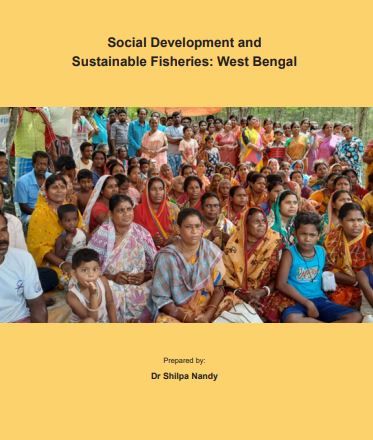
Fishing is one of the most dangerous occupations in India due to poor occupational safety and unhealthy working conditions. In both the marine and the inland sector, fishing communities have to work for long hours without proper infrastructure. Violence, exploitation, child labour, sexual abuse, discriminations of wages between male and female fish workers, forced labour and poor security at sea increase the vulnerability of these fishing communities, especially small-scale fishers. About 90 percent of this sector belongs to the category of small-scale fishing communities, mainly fishers, fish farmers and fish workers.
Traditional and indigenous knowledge for climate change adaptation in Eswatini
2023
Author(s): Tfwala S, Mabaso S, Groenewald M, Khumalo K, Matsebula S, Sibandze G
This briefing note explores the value of Traditional and Indigenous Knowledge in helping communities forecast weather and climate, identify and manage changes in seasons and weather, and develop responses to climatic variability and climate change.

Heritage Conservation and Tourism Development at Cham Sacred Sites in Vietnam: Living Heritage Has A Heart
2023
Author(s): Tuyen QD
This book considers the growing field of heritage tourism from community perspectives. It explores how the Cham—Vietnam’s large ethnic minority—reconcile their needs for economic development with the boundaries circumscribed by their traditional culture.

Free, Prior and Informed Consent: Applying The Principle To On-the-ground Action
2023
Author(s): Penados Dr. Filiberto
This publication explores the lessons we are learning from the Indigenous Peoples’ Livelihoods and Climate Resilience Programme, supported by the Swedish International Development Cooperation Agency (Sida).

Indigenous Multilingualism at Warruwi: Cultivating Linguistic Diversity in an Australian Community
2023
Author(s): Singer R
This book is an exploration of the role of language at Warruwi Community, a remote Indigenous settlement in northern Australia. It explores how language use and people’s ideas about language are embedded in contemporary Indigenous life there.