


Books

Indigenous Heritage and Intellectual Property: Genetic Resources, Traditional Knowledge and Folklore Indigenous Heritage and Intellectual Property: Genetic Resources, Traditional Knowledge and Folklore
2008
Author(s): Lewinski S
The book offers not only an in-depth evaluation of the current legal situation under national, regional and international law but also probes numerous further possibilities
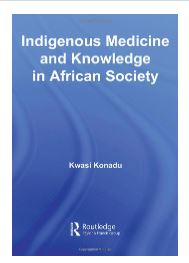
This groundbreaking study of indigenous knowledge has important implications for the study of medical and knowledge systems in Africa and the African Diaspora worldwide. By closely examining a range of multidisciplinary sources and utilizing fieldwork in the Takyiman district of central Ghana, the book contributes a new dimension to the study of health and healing systems in the African context.

The book draws together essays by prominent scholars in anthropology and other fields examining the varied face of indigenous politics in Bolivia, Botswana, Canada, Chile, China, Indonesia, and the United States, amongst others. The book challenges accepted notions of indigeneity as it examines the transnational dynamics of contemporary native culture and politics around the world.

Social Determinants of Indigenous Health
2007
Author(s): Carson B, Dunbar T, Chenhall R D, Bailie R
The book offers a systematic overview of the relationship between the social and political environment and health.
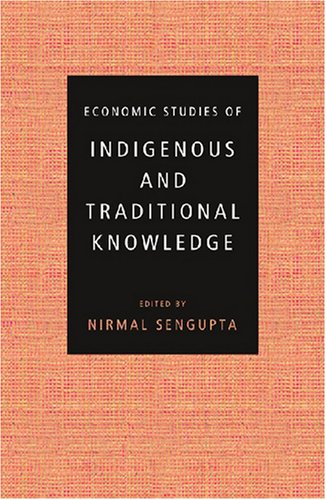
This book deals with the traditional and indigenous knowledge of the common men and women of India—tribal and Dalit populations, fisher folk, craftsmen, artisans, and leather workers—which includes their agriculture, housing, and irrigation methods; medicinal knowledge; methods for collecting drinking water and arts.

Echoes at Fishermen’s Rock: Traditional Tokelau fishingBy Elders from Atafu Atoll
2006
Author(s): Hooper A, Tinielu L
The Atafu elders mainly wrote this work for the benefit of their children and grandchildren. Fishing communities throughout the Pacific have their own bodies of knowledge about their marine environments and their own techniques for exploiting them. Much of this traditional knowledge survives in numerous places, simply because it is both useful and efficient.

Tending the Wild Native American Knowledge and the Management of California′s Natural Resources
2005
Author(s): Anderson MK
The book is an unparalleled examination of Native American knowledge and uses of California's natural resources that reshapes the understanding of native cultures and shows how we might begin to use their knowledge in our own conservation efforts.
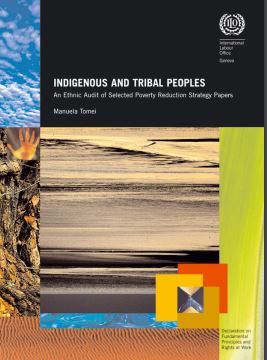
Indigenous and Tribal Peoples: An Ethnic Audit of Selected Poverty Reduction Strategy Papers
2005
Author(s): Manuela Tomei
Social and economic policies must recognize and accommodate indigenous and tribal peoples' needs, aspirations and rights. As district peoples, they have special rights (groups rights) that include the right to be different and to influence decisions affecting their livelihoods and future.

The book is divided into various themes, each with a separate introduction and commentary. The themes are Visitor Experiences, Who manages Indigenous Cultural Tourism Product, Events and Artifacts, Conceptualisation and Aspiration. In a short final section the silences are noted – each silence representing a potential challenge for future research to build upon the notions and lessons reported in the book. The book is edited by Professor Chris Ryan from New Zealand, and Michelle Aicken of Horwath Asia Pacific.
Indigenous Knowledge and Ethics: A Darrell Posey Reader
2004
Author(s): Plenderleith K, Posey D A
This book presents seventeen articles of Darrell A. Posey, on the topics of environment, indigenous knowledge and intellectual property rights. Demonstrating his belief in the validity of indigenous knowledge systems, and his insistence that indigenous rights must be recognised and protected, it is an ideal introduction to his thought and work.