


Opinions/Videos

How to make fish hydrolysate - A fermented organic fertilizer
2022
Author(s): Lifeworks Global
We demonstrate how to make and use a fermented fertilizer known as fish hydrolysate. This fertilizer is rich in microbes that promotes soil fertility and plant health and can boost crop yields. It is easy to make from widely available low-cost ingredients.

Practitioners, farmers and scientists are studying agroecological initiatives in India to promote agroecology to political authorities and intergovernmental bodies and to support the productivity of agroecosystems for food security, agricultural livelihoods and reduce environmental degradation and greenhouse gas emissions.

The project intends to understand the traditional practices and wisdom associated with Jhum agriculture and tries to answer some critical questions.

Technology and Tradition Save Lives from Flash Flood Disasters in the People’s Republic of China
2022
Author(s): Asian Development Bank
Forecasting and early warning are considered the most effective measures to save lives and reduce the damage from flash floods. In the People’s Republic of China, an ADB project combines tradition and technology to prevent flash flood-induced disasters. Part 2 of this video series shows how community-based disaster response builds on high-tech monitoring to ensure collaboration and accountability among citizens.

This talk focused on the impacts of historical traumas and how the past directly impacts our present day conditions individually and collectively.

International Day of the World's Indigenous Peoples - UN Chief message | United Nations
2022
Author(s): United Nations
Video Message by António Guterres, Secretary-General of the United Nations, on World's Indigenous Peoples Day, 9 August 2022.
An Indigenous Perspective on Humanity’s Survival on Earth
2022
Author(s): Jupta Itoewaki J
Environmental activist Ms Jupta Itoewaki explains why Indigenous peoples are best positioned to lead the world's efforts to preserve nature and maintain a habitable planet and reminds us of their outsized importance in charting a sustainable future.
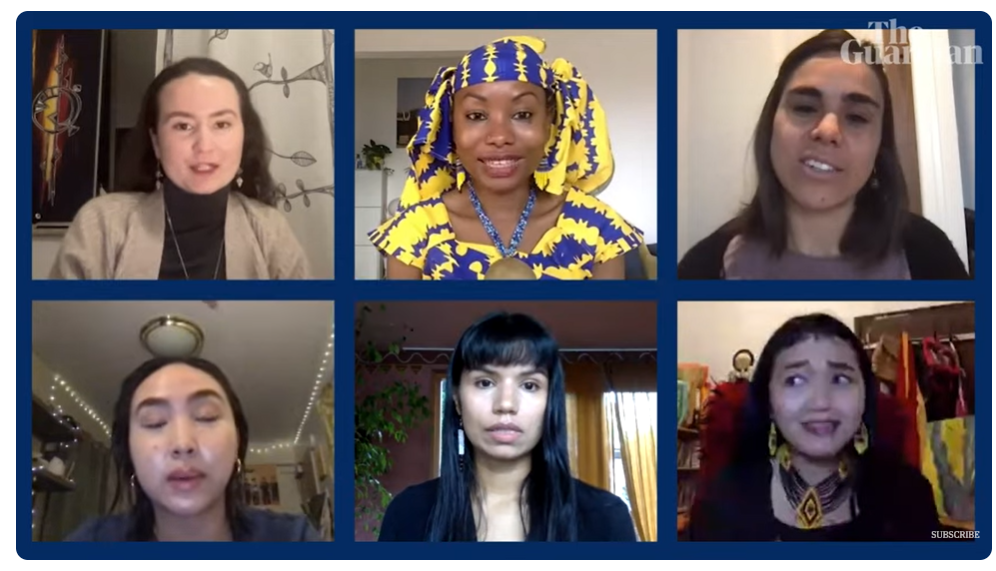
Indigenous Activists on Tackling the Climate Crisis: 'We Have Done More Than Any Government'
2021
Author(s): Guardian News
Nina Gualinga, Hindou Oumarou Ibrahim, Charitie Ropati, Sara-Elvira Kuhmunen, Emmanuela Shinta and Amelia Telford also told us about what they want to see from world leaders at the Cop26 summit and what makes them hopeful about the future. This video was amended on 30 November 2022 to fix an inaccuracy on Borneo map.

Empowering Indigenous Women to Integrate Traditional Knowledge and Practices in Climate Action
2021
Author(s): Climate Investment Funds
This study illustrates that Indigenous Peoples and Local Communities (IPLCs) women are important agents of change for climate action and have been using their Traditional Knowledge and Technology (TKT) to build the resilience of their communities to climate and other shocks. It also reviews examples of good practices in terms of initiatives that have supported gender-responsive integration of TKT and empowerment of IPLC women in the context of climate change. This study was jointly produced by the Stakeholder Engagement and Gender Teams of the Climate Investment Funds.

Seed Guardians - How families in Brazil are increasing biodiversity with help from the past.
2021
Author(s): IFAD
Extensive livestock raising, slash and burn agriculture and uncontrolled demand for wood fuel has have led to widespread environmental degradation of its unique Caatinga biodiversity.