


Knowledge Hub
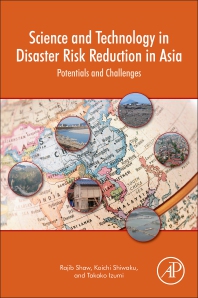
Science and Technology in Disaster Risk Reduction in Asia: Potentials and Challenges
2017
Author(s): Shaw R, Shiwaku K, Izumi T
The book provides both a local and global perspective on how to implement the Sendai Framework for Disaster Risk Reduction. Topics demonstrate the advancement of scientific research as it applies to early warning systems, including identifying risk and the strengthening of infrastructure for different types of hazards.

A Review on Mechanisms and Commercial Aspects of Food Preservation and Processing
2017
Author(s): Amit SK, Uddin MM, Rahman R, Rezwanul SS , Khan MS
This article presents different food categories and elucidates different physical, chemical, and microbial factors responsible for food spoilage. Furthermore, the market economy of preserved and processed foods has been analyzed in this article.

The book provides a comprehensive look at issues that concern indigenous people in North America. Though no single volume can cover every tribe and every issue around this fertile area of inquiry, this book takes on the fields of law, archaeology, literature, socio-linguistics, geography, sciences, and gender studies, among others, in order to make sense of the Indigenous experience.
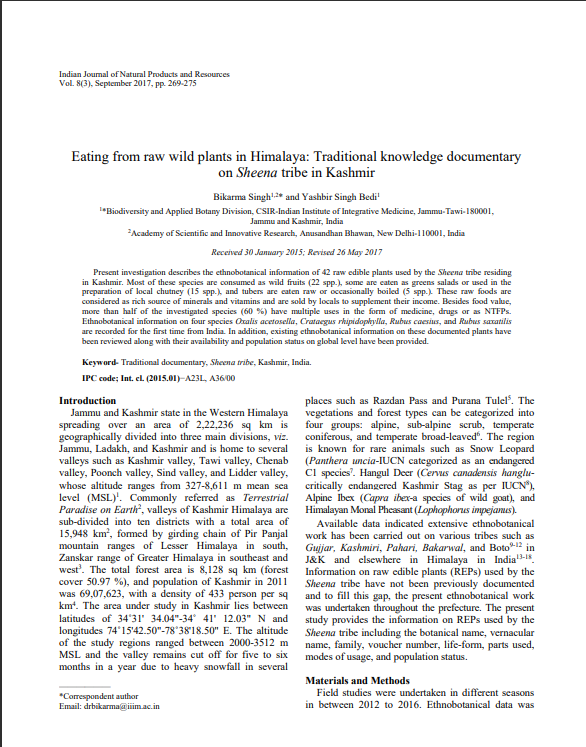
Eating from Raw Wild Plants in Himalaya: Traditional Knowledge Documentary on Sheena Tribe in Kashmir
2017
Author(s): Singh B, Bedi YS
This paper describes the ethnobotanical information of 42 raw edible plants used by the Sheena tribe residing in Kashmir. Besides food value, more than half of the investigated species (60 %) have multiple uses in the form of medicine, drugs or as NTFPs.
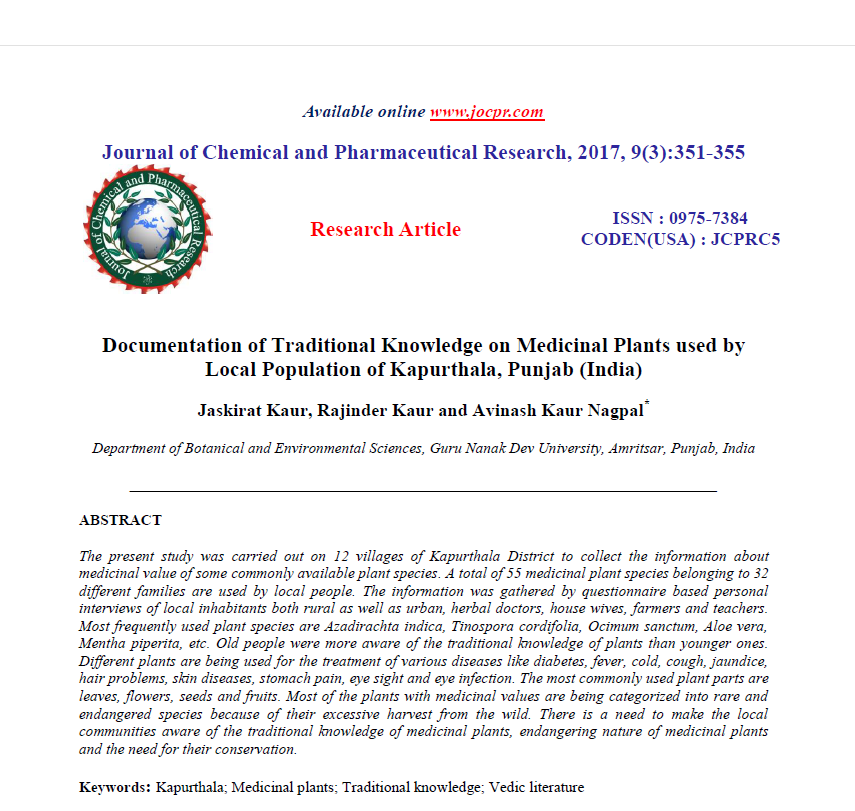
Documentation of Traditional Knowledge on Medicinal Plants used by Local Population of Kapurthala, Punjab (India)
2017
Author(s): Kaur J, Kaur R and Nagpal AK
A total of 55 medicinal plant species belonging to 32 different families are used by local people. The information was gathered by questionnaire based personal interviews of local inhabitants both rural as well as urban, herbal doctors, house wives, farmers and teachers. Most frequently used plant species are Azadirachta indica, Tinospora cordifolia, Ocimum sanctum, Aloe vera, Mentha piperita, etc.
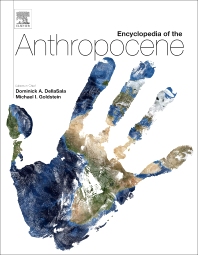
The encyclopedia presents a currency-based, global synthesis cataloguing the impact of humanity’s global ecological footprint. Covering a multitude of aspects related to Climate Change, Biodiversity, Contaminants, Geological, Energy and Ethics, leading scientists provide foundational essays that enable researchers to define and scrutinize information, ideas, relationships, meanings and ideas within the Anthropocene concept.

This yearbook gives a comprehensive update on the current situation of indigenous peoples and their human rights situation across the world, and offers an overview of the most significant developments in international and regional processes relating to indigenous peoples during 2016.

This book offers readers the chance to further their understanding of indigenous religious musics by providing downloadable resources that include the discussed music and additional information on other available recordings.
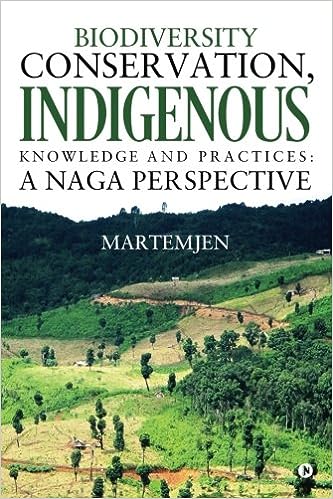
Biodiversity Conservation, Indigenous Knowledge and Practices: A Naga Perspective
2017
Author(s): Martemjen
The author draws attention on the Naga indigenous knowledge system in the light of United Nations Convention on Biological Diversity (UNCBD), through which they were able to sustainable manage and conserve their biodiversity while obtaining their livelihood from the same.

Ethno-zoological Practices by Khasis, An Indigenous Tribe of Meghalaya, India
2017
Author(s): Mihsill KRR, Keshan B
North-East India, including Meghalaya being rich in biodiversity serves as an ideal place for the sustenance of traditional medicines. The traditional method of using animal species and their products for treating various kinds of ailments was seen also many traditional healers preferred the use of plants and their products to that of animal ones due to easy availability of plants and ease of cultivation.