


Research Papers/Articles

Traditional Knowledge for Climate Change Adaptation in Mesoamerica: A Systematic Review
2023
Author(s): Mardero S, Schmook B, Calmé S, White RM, Chang JCJ, Casanova G, Castelar J
Local traditional knowledge makes important contributions to climate change actions and policy by observing changing climates, adapting to impacts, and contributing to global mitigation efforts. As a response to increasing climate change challenges, smallholders create new hybrid knowledge by combining traditional and western perspectives. This knowledge evolution will support greater resilience to climate change but may hasten cultural erosion and exacerbate social inequalities in the region unless efforts are taken to maintain cultural integrity.

Indigenous Technical Knowledge (ITK) Used in Agriculture By Selected Ethnic Communities of Assam
2023
Author(s): Borah N ,Bey BS, Deka N
The role of Indigenous Technical Knowledge (ITK) in a range of sectors is being talked about. Over the years, people have tried to develop new farming techniques based on their experience and age old experiments for their farming operation. Assam consists of a large number of ethnic groups that have different ITKs relating to agricultural sector.
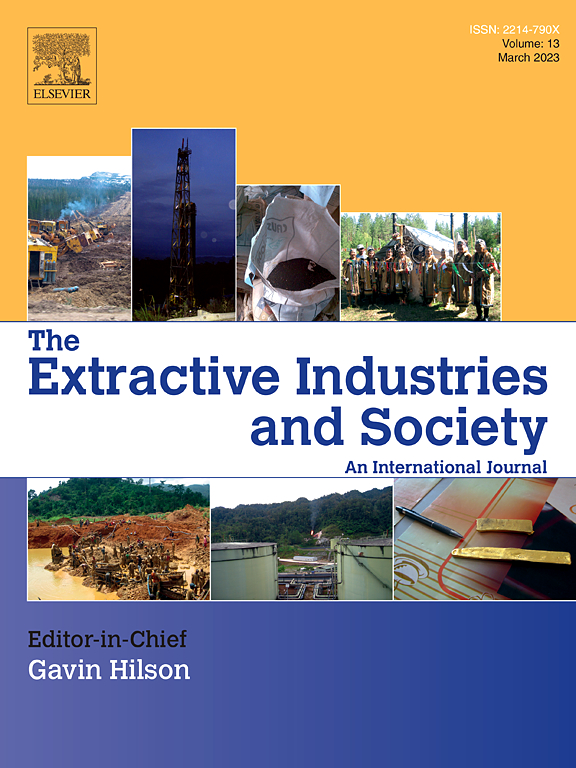
Integration of Cree traditional ecological knowledge (TEK) into the revegetation process of the Eleonore mine tailings storage facility
2023
Author(s): Kadiatou Cissé MK, Keeling A, Guittonny M, Bussière B
This research analyzes the process of TEK integration into the Eleonore TSF revegetation planning by documenting the Tallyman of VC-29′s TEK integration into the mine TSF revegetation process through a “co-design approach”. Results indicate that the Quebec government recommends but does not require mining companies to integrate TEK in reclamation planning.
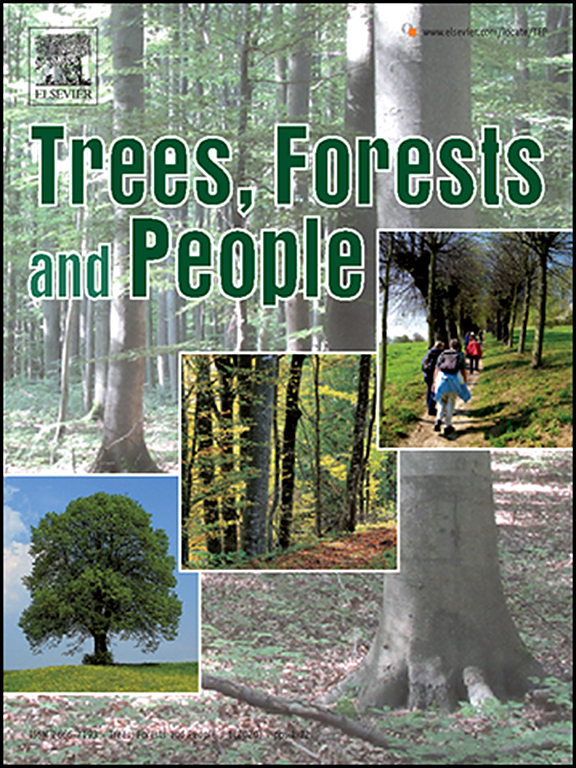
Role of Traditional Ecological Knowledge on Field Margin Vegetation in Sustainable Development: A Study in a Rural-Urban Interface of Bengaluru
2023
Author(s): Nautiyal S, Goswami M
This study attempted to understand and document the uses of Field Margin Vegetation (FMV) by farmers and related traditional knowledge in rural-urban interface of Bengaluru, India. The agricultural landscape under study was found to be rich in FMV species belonging to 43 families. These species are used for a variety of purposes by the people l living in the rural-urban fringe of the northern transect of Bengaluru.

Systematic Validation of Anti-inflammatory Activity of Raw Drug Samples in Holostemma annulare (Roxb.) K. Schum
2023
Author(s): Devi PS , Anusha P , PreethaTS
The study provides a scientific rationale in using Holostemma roots in traditional drug preparations for diseases linked with inflammation and also throw light in fortifying molecular approaches in validating elite raw drugs in order to supplement genuine samples for pharma needs.

Response of Potato Crop to Vrikshaayurveda Based Herbal kunapajala Against Black Scurf and Early Blight Disease
2023
Author(s): Adhikari S, Sharma S, Pandey ST, Singh RP, Singh V
The study found that kunapajala treated tubers were statistically at par in terms of germination per cent and tuber yield with the control treatment in which recommended dose of fertiliser was applied suggesting that kunapajala treatment as mentioned above effectively provided the nutrients required by the growing tubers.

Characterising The Traditional Organic Liquid formulations Used by the Farmers of Western Agro Climatic Zone of Tamil Nadu
2023
Author(s): Nandhini DU, Somasundaramb E
The study was conducted to document the preparation method of organic liquid formulations used by the farmers belongs to the western agro climatic zone of Tamil Nadu and to characterise the same.

Implementation lessons from World Bank operations in supporting indigenous peoples
2023
Author(s): World Bank
This Evaluation Insight Note builds on Independent Evaluation Group evidence to identify lessons for working with Indigenous peoples who live in poverty.

Beyond Sustainability: Indigenous Knowledge Systems for Locally and Globally Renewing Earth Relations
2023
Author(s): Huaman ES, Walker J
The article directs reader attention to Indigenous Knowledge Systems that interrupt mainstream definitions and applications of sustainable development through grounding in situ and close attention to contexts, cultural practices, and languages that propose human activity for life’s sake.

Indigenous Lakadong Turmeric of Meghalaya and Its Future Prospects.
2023
Author(s): Kumar M R, Kumar D S, Kumar P M, Das S
Turmeric contains two key components: Curcuminoids and essential oils (primarily terpenoids), responsible for the herb’s orange-yellow color and aromatic flavor. These components also have a broad spectrum of bioactivities for which data has been confirmed at all levels of investigation, including in vitro and in vivo tests and human clinical trials.