


Knowledge Hub

Soil Management for Small Farms – Strategies and Methods of Introduction, Technologies and Equipment
2000
Author(s): Freitas VHD
This report is intended for development practitioners, extensionists and leaders or pioneers in farming communities, to inform them about the experiences and initiatives of farming communities in conservation agriculture in Santa Catarina State, Brazil.
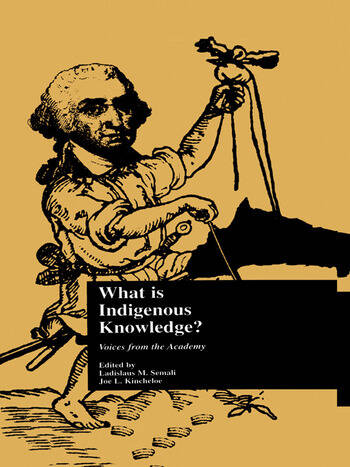
What is Indigenous Knowledge? Voices from the Academy
1999
Author(s): Semali L M, Kincheloe J L, Kincheloe J L, Semali L M
The book not only exposes the fault lines of modernist grand narratives, but also illuminates, in a vivid and direct way, what it means to come to subjectivity in the margins.
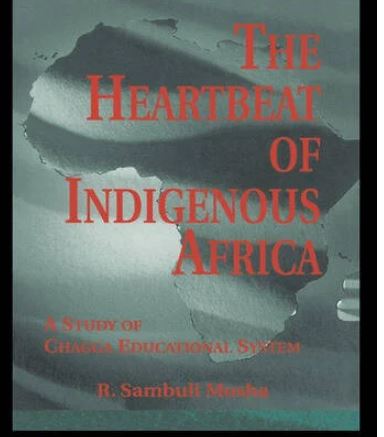
The Heartbeat of Indigenous Africa: A Study of the Chagga Educational System
1999
Author(s): Mosha R S
The book provides a comprehensive description of the indigenous schooling process and its underlying fundamental virtues and then proposes that modern education should give equal emphasis to both the spiritual development of students as well as to their intellectual growth in knowledge, science, and technology.
Manual on Functional Literacy for Indigenous Peoples
1999
Author(s): UNESCO Principal Regional Ofice for Asia and the Pacific.
Definitions of literacy have also included the recognition of numbers and basic mathematical signs and symbols within texts. This skill used to be called numeraq. In practice, however, people need to understand and use mathematical skills in a range of contexts, in a similar way to their reading and writing skills. Simple recognition of signs and symbols has given way to a broader definition of numeracy that includes using an understanding of mathematics as a tool to make a particular sense of the world.
UNESCO has recognized that to participate more actively in the development of society indigenous communities, including tribal people and ethnic groups in the Asia-Pacific region have to make the transition from oral literacy traditions to cultures that combine oral and written literacy. The manual has been conceived to support interactive literacy training programmes where trainers are actively engaged in the learning process. In this sense. it adopts a learner-centred approach to training and functional content areas.
The Bank's Policy on Indigenous Peoples
1998
Publisher/Organisation: Asian Development Bank
This paper addresses policy approaches toward recognizing the circumstances of indigenous peoples and identifying measures toward satisfying their needs and aspirations. The paper focuses on the participation of indigenous peoples in development and mitigation of undesired effects of development.
Working with Indigenous Knowledge: A Guide for Researchers
1998
Author(s): Louise Grenier
IK systems are also dynamic: new knowledge is continuously added. Such systems do innovate from within and also will internalize, use, and adapt external knowledge to suit the local situation.
Indigenous Peoples In Latin America: The Quest For Self-determination
1997
Author(s): Polanco HD
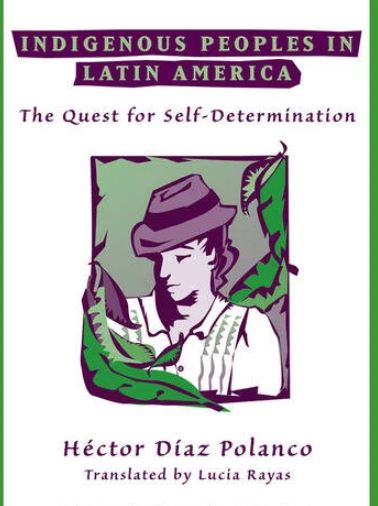
This book deals with the perennial tensions between ethnic groups and the modern nation-state and does so from the perspective of a leading Mexican anthropologist with deep and long experience in these matters.

Recording and- Using Indigenous Knowledge: A manual
1996
Author(s): Evelyn Mathias
This manual aims to overcome this constraint. It provides government and non-government rural development workers with the information and tools they need to integrate IK into their development work. The design of the manual allows for easy copying and use of the materials in training. We hope that this manual will facilitate the use and conservation of indigenous knowledge for the benefit of people and their communities.
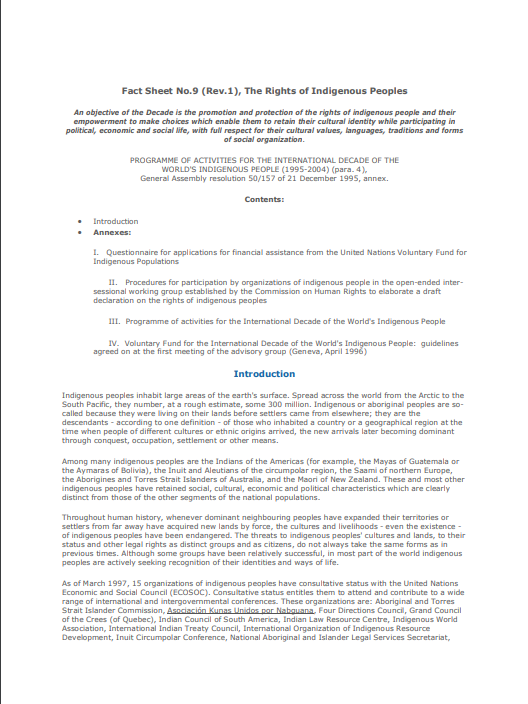
An objective of the Decade is the promotion and protection of the rights of indigenous people and their empowerment to make choices which enable them to retain their cultural identity while participating in political, economic and social life, with full respect for their cultural values, languages, traditions and forms of social organization