



Case Study
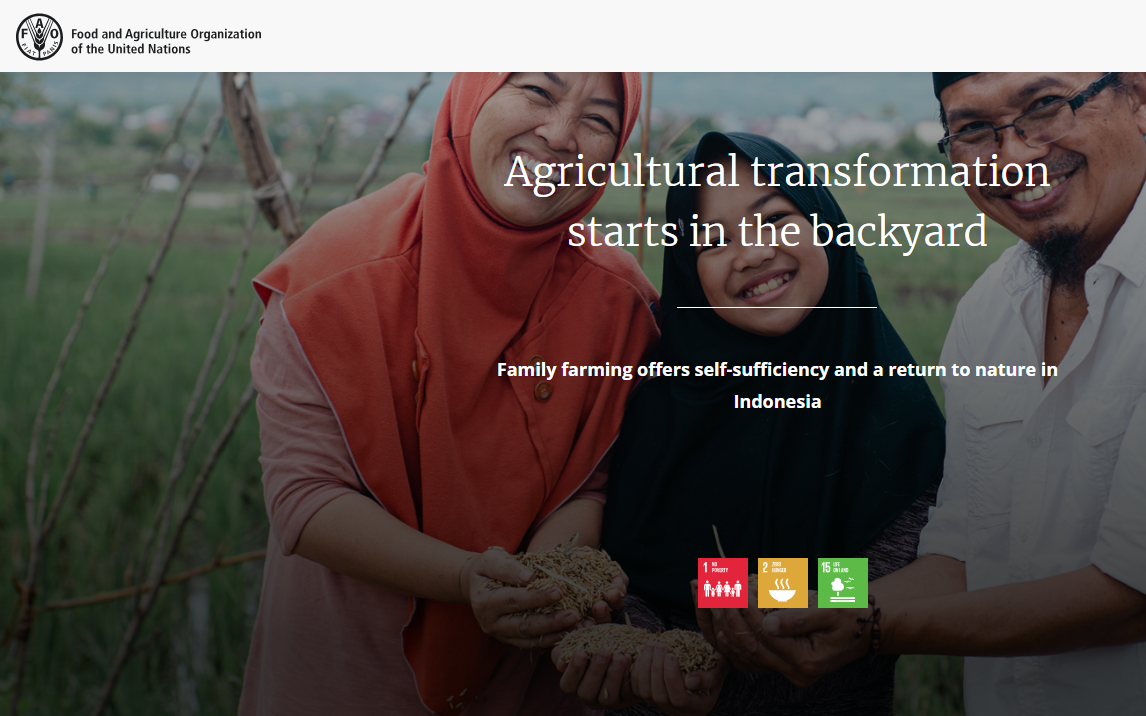
Agricultural Transformation Starts in the Backyard: Family Farming Offers Self-Sufficiency and A Return to Nature in Indonesia
2021
Author(s): Food and Agriculture Organization of the United Nations
Nissa Wargadipuras’s earliest memories involve learning how to live with nature. Her childhood home’s backyard in the hilly town of Garut, West Java was a little forest where her father planted vegetables, herbs and fruits. Her mother produced traditional medicine from the plants for their family and their neighbours.

Towards a Biocultural Heritage Territory in Rabai Cultural Landscape: Exploring Mijikenda Cultural Values and Practices for Sustainable Development
2021
Author(s): Wekesa C, Ndalilo L, Swiderska K
This case study in Kenya was conducted with the Rabai sub-tribe of the Mijikenda Indigenous community in Kilifi County, coastal Kenya. It was coordinated by the Kenya Forestry Research Institute (KEFRI), working closely with the Rabai community.
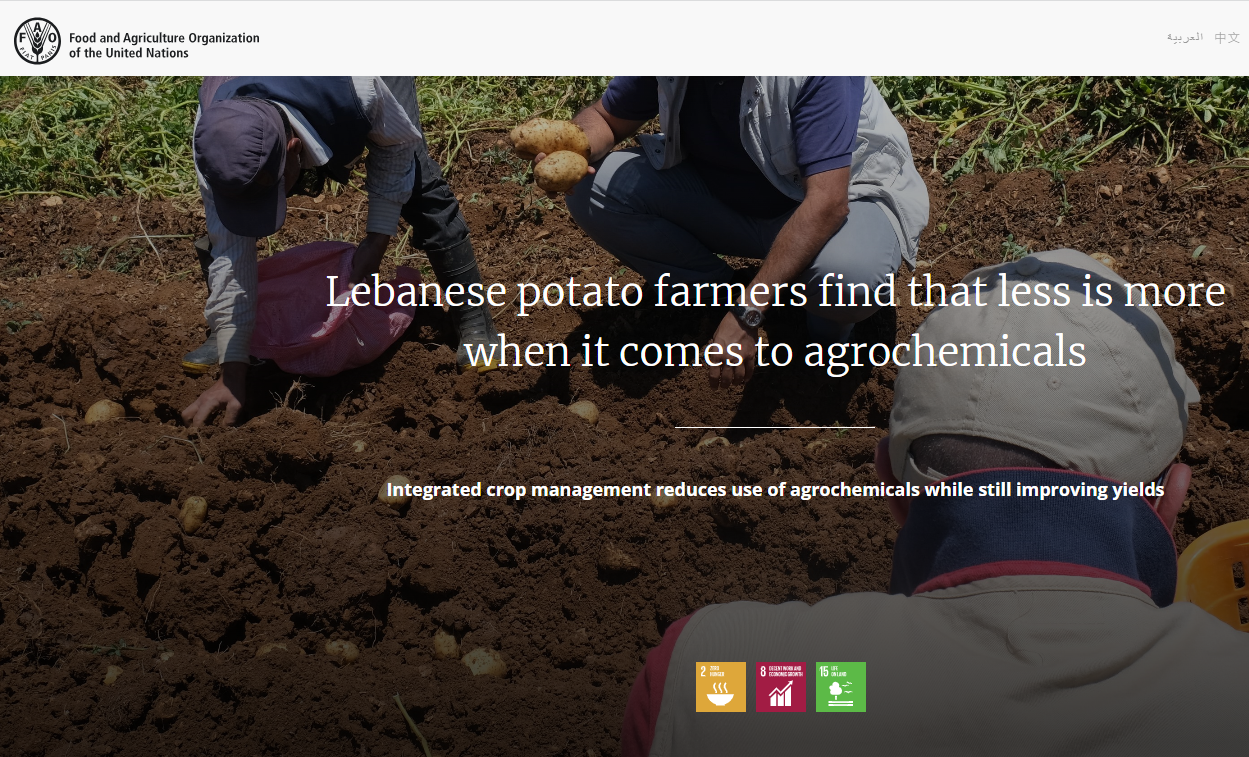
Lebanese Potato Farmers Find That Less is More When it Comes to Agrochemicals: Integrated Crop Management Reduces Use of Agrochemicals While Still Improving Yields
2021
Author(s): Food and Agriculture Organization of the United Nations
Traditionally, farmers in Lebanon depended on chemical fertilizers and pesticides to manage plant nutrition or plant pests and diseases. Most farmers believed that increasing the quantity of chemical fertilizers would increase the yields of their crops.

Guyana: Empowering Indigenous Forest-Dependent Communities to Manage and Monitor Forest Resources
2021
Author(s): Food and Agriculture Organization
The case study saw the successful piloting of the protocols in the village of Bethany, where community members were equipped with the skills and knowledge to negotiate with extractive resource companies and monitor their activity on customary land.

Following The Rhythm of Mother Earth Learning From Indigenous Peoples’ Food Systems and Their Respect for Nature
2021
Author(s): Food and Agriculture Organization of the United Nations
To obtain food according to each season, the Tikuna, Cocama and Yagua peoples combine different practices, such as fishing, hunting and chagras farming, an ancestral, diversified productive system in which annual and perennial species are cultivated and where trees are selectively cut and burned to replicate healthy forest succession.

Co-designing climate services to integrate traditional ecological knowledge: a case study from Bali, Indonesia
2020
Author(s): Biskupska N, Salamanca A
This case study suggests that helping vulnerable indigenous populations adapt to climate change will require a reassessment of prevailing perceptions of their traditional ecological knowledge.

Free, Prior and Informed Consent: A Successful Process of Dialogue and Co-Decision-Making With and For Panama’s Indigenous Peoples
2020
Author(s): Food and Agriculture Organization of the United Nations
In this context, FAO is executing a project to support 19 communities belonging to six of the seven existing indigenous peoples in the country, which is financed by the Ministry of Government (MINGOB), with the support of the Ministry of Agricultural Development (MIDA) and the participation of the 12 indigenous congresses and councils.
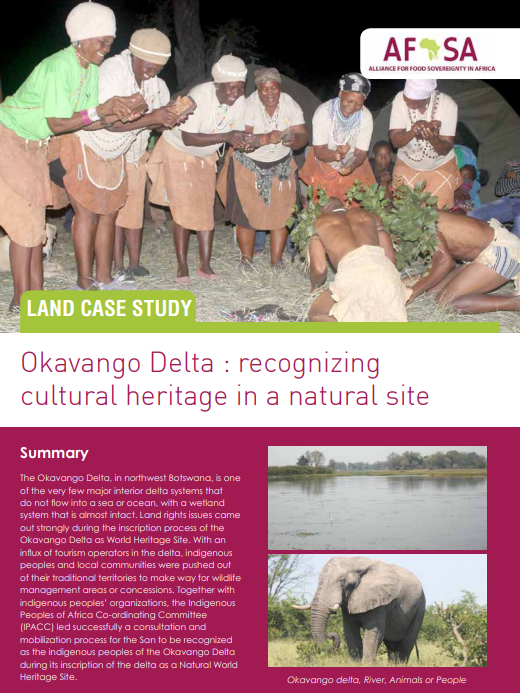
Okavango Delta : Recognizing Cultural Heritage in a Natural Site
2020
Author(s): Andrias LM
Indigenous peoples’ organizations, the Indigenous Peoples of Africa Co-ordinating Committee (IPACC) led successfully a consultation and mobilization process for the San to be recognized as the indigenous peoples of the Okavango Delta during its inscription of the delta as a Natural World Heritage Site.
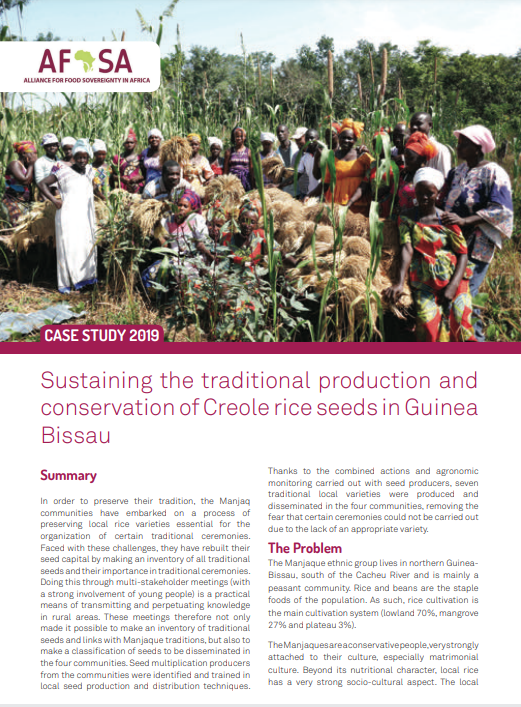
Sustaining The Traditional Production and Conservation of Creole Rice Seeds in Guinea Bissau
2019
Author(s): Junior LP
In order to preserve their tradition, the Manjaq communities have embarked on a process of preserving local rice varieties essential for the organization of certain traditional ceremonies. Faced with these challenges, they have rebuilt their seed capital by making an inventory of all traditional seeds and their importance in traditional ceremonies.
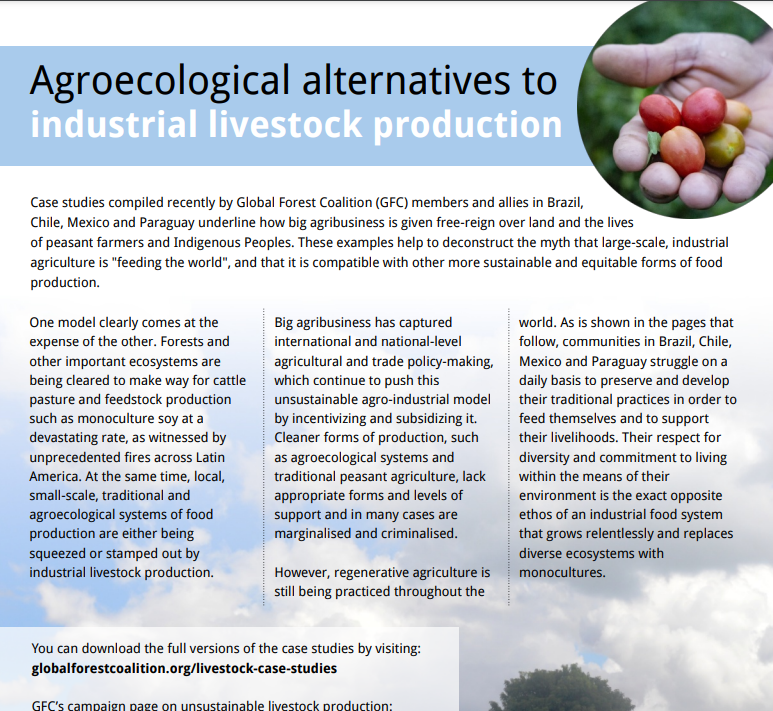
Agroecological Alternatives to Industrial Livestock Production
2019
Author(s): Global Forest Coalition (GFC)
This Case studies compiled recently by Global Forest Coalition (GFC) members and allies in Brazil, Chile, Mexico and Paraguay underline the role of agribusiness in peasant farmers´ and Indigenous Peoples´ lives.