



Books

Traditional Knowledge for Green Innovation with Japanese Persimmon Tannin, Kakishibu
2026
Author(s): Kano K, Raman S, Santos D
The first book focuses on the history and science of Kakishibu, persimmon tannin, as plastic alternative and discusses Kakishibu from a traditional and sustainable perspective to achieve SDGs.

Ensuring Ecological Connectivity in Socio-Ecological Production Landscapes and Seascapes (SEPLS)
2026
Author(s): Nishi M, Subramanian SM, Varghese P, Houndonougbo JSH
This book provides the concept, methodologies, approaches, and strategies for ensuring and enhancing ecological connectivity.

Climate Change Adaptation and Mitigation in the Seaflower Biosphere Reserve: From Local Thinking to Global Actions
2025
Author(s): Pineda JEM, Osorio AF,Toro C, Velásquez-Calderón CS
This book brings together different angles of climate change impacts by local and global experts in the field. It presents the state-of-the-art recent trends about the relationship between marine environments and climate change.

Indigenous Land-Based Knowledge and Sustainability: Settler Colonialism and the Environmental Crisis
2025
Author(s): Datta R, Chapola J, Acharibasam JB
This edited volume explores the crucial intersections between Indigenous Land-Based Knowledge (ILK), sustainability, settler colonialism, and the ongoing environmental crisis.

From Crisis to Action: Climate Change Through the Eyes of the Most Vulnerable
2025
Author(s): Takyiwaa A O A Widjaja C N, Smedley T
This book provides a comprehensive analysis of the environmental, economic, and health impacts of climate change already being felt by vulnerable countries.
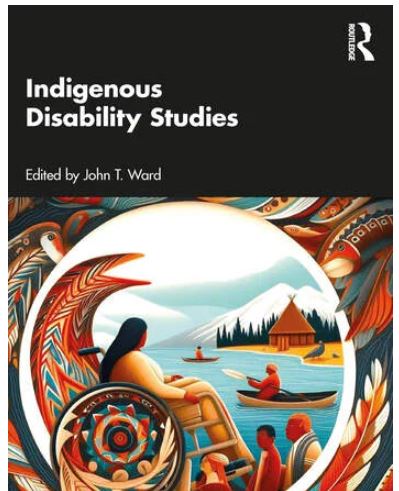
This book provides a comprehensive approach to the perspectives, lived experiences, and socio-cultural beliefs of Indigenous scholars regarding disabilities through a distinctions-based approach. Indigenous people demonstrate considerable knowledge in a multitude of compacities in spite of legal, monetary, social, economic, health, and political inequalities that they experience within from administrative authorities whether health, education or governments.

The book draws on a process of recharacterisation. Recharacterisation is to be understood to mean the allocation of an indigenous peoples understanding and character of ancient indigenous human remains and ancient indigenous DNA, in order to counter the property narrative articulated by museums and scientists in disputes.

The book considers the methodologies used amongst the Circle of Concerned African Women Theologians’ to study African Indigenous Religions, the African Indigenous Religions sources of knowledge that are drawn on, and the way in which women are characterized.

This book analyzes the nature of floods in many geographical settings and explores the multiple factors that influence flooding in different regions.

This book provides a philosophical investigation of technology in Africa, articulating conceptual foundations and analyses rooted in African worldviews and communitarian values. It aims to spur discourse and understanding of how technology can be justly shaped for human advancement in Africa.