


Knowledge Hub
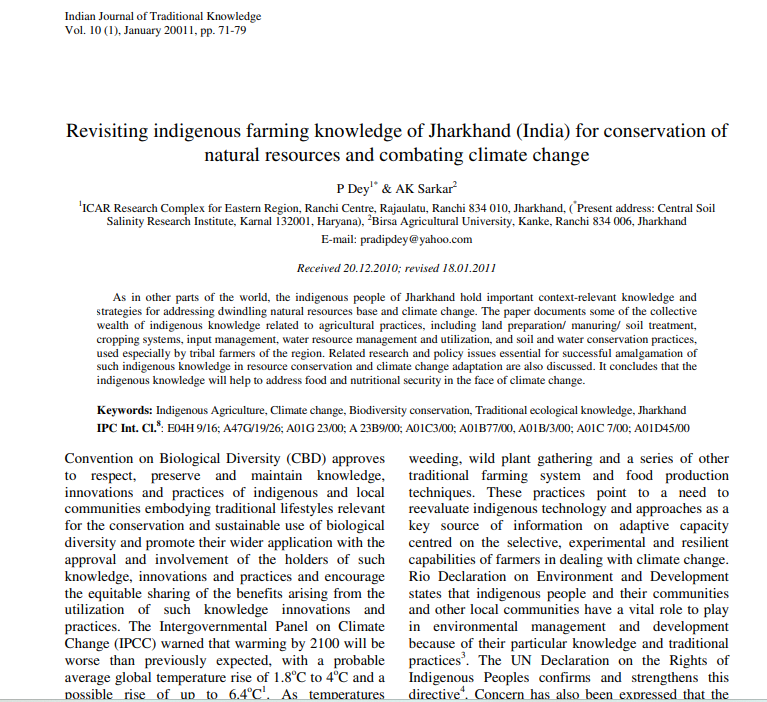
Revisiting Indigenous Farming Knowledge of Jharkhand (India) for Conservation of Natural Resources and Combating Climate Change
2011
Author(s): Dey P, Sarkar AK
The paper documents some of the collective wealth of indigenous knowledge related to agricultural practices, including land preparation/ manuring/ soil treatment, cropping systems, input management, water resource management and utilization, and soil and water conservation practices, used especially by tribal farmers of Jharkhand, India.

Extraction and Application of Natural Dye Preparations From The FRloral Parts of Woodfordia fruticosa (Linn.) Kurz
2011
Author(s): Grover N,Patni V
The present study deals with the extraction of natural dye from this species, commonly known as Fire-Flame Bush, and their application on textiles. Three different techniques/methods for extraction of dye from the collected flowers were evaluated to determine the best extraction method.
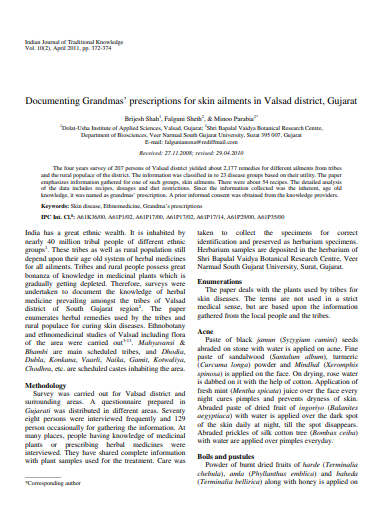
Documenting Grandmas’ Prescriptions for Skin Ailments in Valsad district, Gujarat
2011
Author(s): Shah B , Sheth F, Parabia M
The paper emphasizes information gathered for one of such groups, skin ailments.
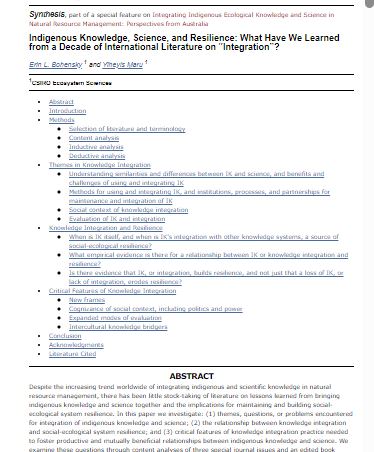
Indigenous Knowledge, Science, and Resilience: What Have We Learned from a Decade of International Literature on “Integration”?
2011
Author(s): Bohensky EL, Maru Y
This paper investigated the themes, questions, or problems encountered for integration of indigenous knowledge and science; the relationship between knowledge integration and social-ecological system resilience; and critical features of knowledge integration practice needed to foster productive and mutually beneficial relationships between indigenous knowledge and science.

Traditional Knowledge Used in Paddy Cultivation in Raipur district, Chhattisgarh
2011
Author(s): Rizwana, Lyaqet
The study was conducted in six villages of Dharsiva block of Raipur district of Chhattisgarh. Rice is the main crop being cultivated. The paper describes the indigenous technologies used by the farmers in paddy cultivation.

Indigenous Women Entrepreneurs in Papua GET Ahead
2011
Author(s): International Labour Organization
Like many other women who live in a patriarchal society, the indigenous women of Papua do not have many opportunities to take part in the development process. Their traditionally low status in the tribal hierarchy and poor education make them second-class members of society who have to occupy themselves with food and children, and serve their husbands.
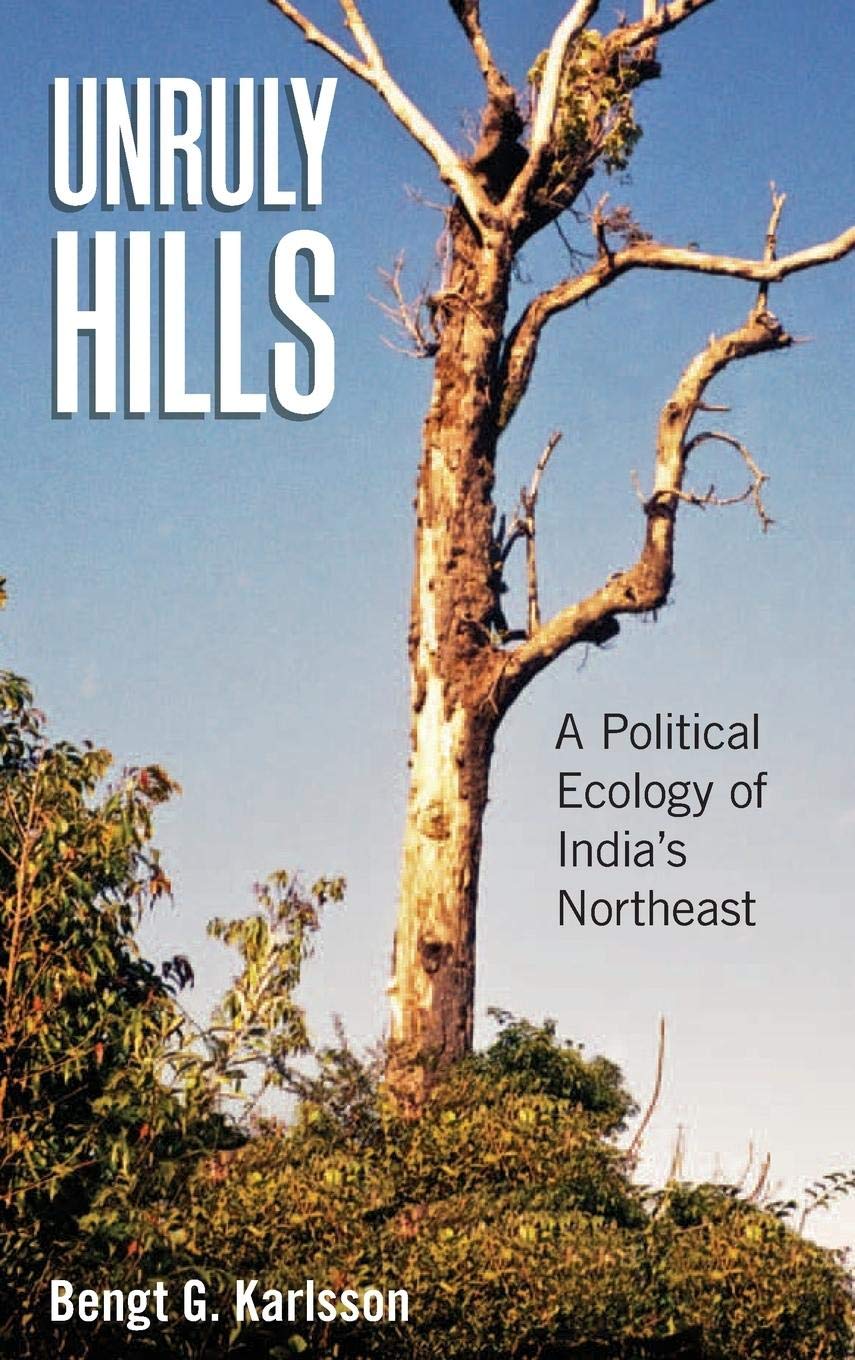
Focusing on conflicts relating to forest management, mining, and land rights, the author offers an insightful account of present-day challenges for indigenous people to accommodate aspirations for ethnic sovereignty and development.
Nagoya Protocol on Access to Genetic Resources and the Fair and Equitable Sharing of Benefits rising from their Utilization to the Convention on Biological Diversity: Text and Annex
2011
Publisher/Organisation: Secretariat of the Convention on Biological Diversity
The Nagoya Protocol on Access to Genetic Resources and the Fair and Equitable Sharing of Benefits Arising from their Utilization to the Convention on Biological Diversity was adopted at the tenth meeting of the Conference of the Parties on 29 October 2010, in Nagoya, Japan.
This study is a guide for those looking to improve national wildlife laws with a view to ensuring environmental sustainability and strengthening the role of disadvantaged people and increasing their participation in the sharing of benefits.Wildlife management is the process of keeping populations, wildlife including endangered species, at desirable levels using scientific, technical and traditional knowledge.
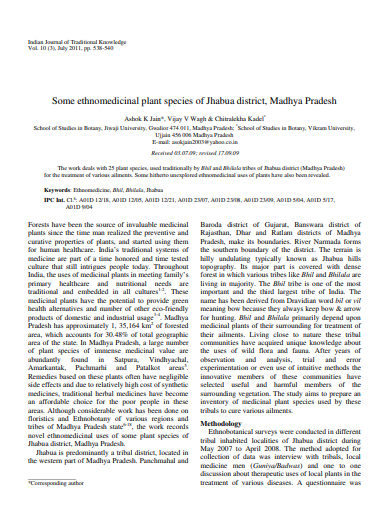
Some Ethnomedicinal Plant Species of Jhabua district, Madhya Pradesh
2011
Author(s): Jain AK, Wagh VV, Kadel C
The work deals with 25 plant species, used traditionally by Bhil and Bhilala tribes of Jhabua district (Madhya Pradesh) for the treatment of various ailments.