


Reports
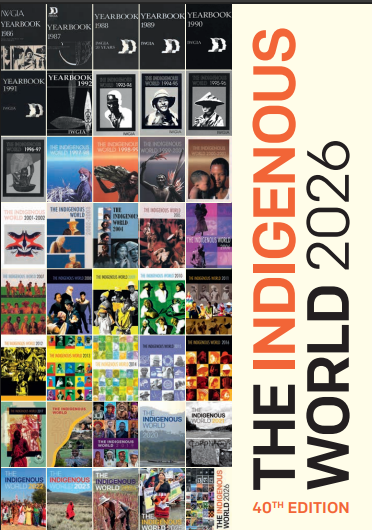
The report highlights both the enduring value of long-term documentation and the importance of centering Indigenous perspectives in global discussions.
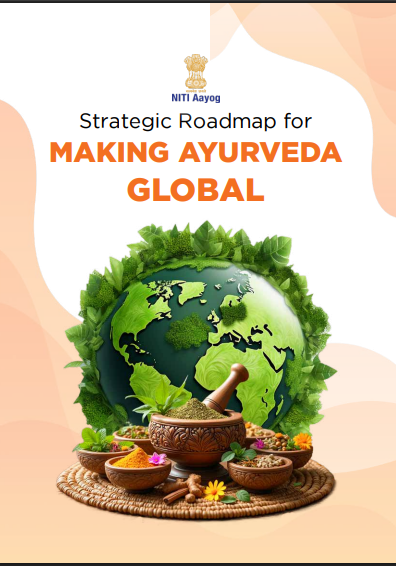
This study provides a comprehensive and structured assessment of Ayurveda's globalization, examining its current status, key barriers, and emerging opportunities.

State of the World's Indigenous Peoples, Volume VI, Climate Crisis
2025
Author(s): United Nations, Department of Economic and Social Affairs
The sixth edition of the State of the World's Indigenous Peoples focuses on Climate Crisis. It focuses on the vital role of Indigenous peoples in addressing the impacts of climate change.

Enhancing Climate Finance Access for Indigenous Peoples and Local Communities: Insights From Payments for Ecosystem Services
2025
Author(s): McLaren C N, Salcedo-La Viña C, Ding H, Cervera M
The report outlines the types of actions, and the social actors involved, in addressing the barriers and increasing IPs and LCs benefits from PES and climate action. The insights from the analysis can inform the future design of PES and other incentives-based climate finance mechanisms that depend on IPs and LCs lands and resources.

The strategy sets guiding principles and four objectives: strengthen evidence, ensure safety and regulation, integrate TCIM into health systems, and optimize its cross-sectoral value.

Indigenous Knowledge, Local Knowledge, and Climate Change: Interconnections for Policy and Practice
2025
Author(s): Zent, Stanford
This report examines the interconnections between indigenous and local knowledge (ILK) and climate change for policy and practice purposes. It looks at how ILK can contribute to strategies for dealing with anthropogenic climate change and its impacts, and how such changes may exert influences on the utility and vitality of ILK systems moving forward.

Investing in Natural Capital: Innovations Supporting Much-Needed Financing for Nature
2024
Author(s): World Economic Forum
Investing in natural capital is crucial for sustainable socioeconomic development, as over half of global GDP significantly depends on nature and biodiversity. However, natural capital, which includes essential natural resources such as forests, water and soil, is in significant decline today. This insight report aims to provide a framework for evaluating how innovation can mobilize more investment for natural capital.

Global resources outlook 2024: bend the trend- pathways to a liveable planet as resource use spikes
2024
Author(s): United Nations Environment Programme
The report illustrates how, since the 2019 edition of this report, rising trends in global resource use have continued or accelerated. The report also shows how demand for resources is expected to continue increasing in the coming decades. This means that, without urgent and concerted action, by 2060 resource extraction could rise by 60% from 2020 levels – driving increasing damage and risks.

Champions for Nature: Raising Ambition, Sustaining Impact
2024
Author(s): World Economic Forum
As the health of our planet’s critical ecosystems deteriorates, it directly impacts productivity, jobs and well-being. For business leaders and policy-makers, this is not just an issue of moral imperative but also of building resilience and future-proofing business models.

World Intellectual Property Report 2024: Making Innovation Policy Work for Development
2024
Author(s): World Intellectual Property Organization
The report explores the need for innovation policies to focus on developing innovation capabilities. It offers a new methodological framework, complemented by three industry case studies – agriculture technology, motorcycle and video games – in Brazil, Finland, India, Italy, Japan, Kenya, Poland and the United States.